DVSA Earned Recognition
26 November 2026
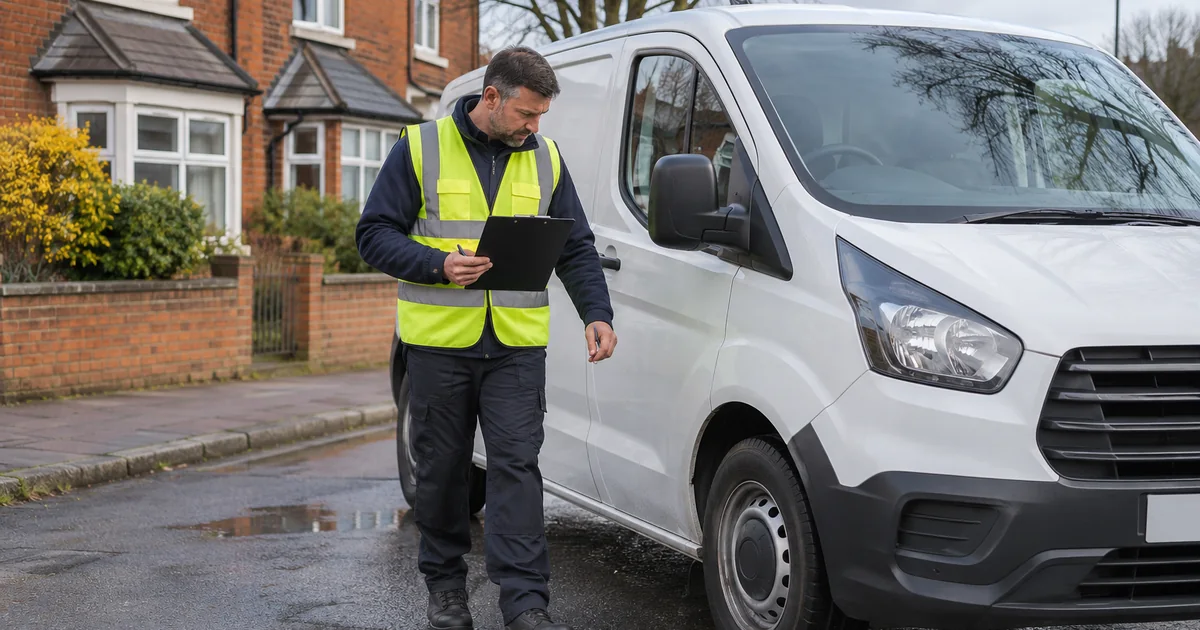
DVSA earned recognition is a voluntary scheme for goods and passenger vehicle operators who can prove they run a compliant fleet. Operators share performance data with the Driver and Vehicle Standards Agency through approved IT systems and pass an independent audit. In return, DVSA treats them as lower risk, which can mean fewer roadside checks and visits.
Quick answer: Earned recognition is open to operators who have held an operator licence for at least two years. You need DVSA-validated IT systems for maintenance and drivers' hours, and an audit by a DVSA-authorised audit provider before you join and every two years after. Audit providers set their own fees for this.
Key Takeaways
The scheme is voluntary and covers both HGV and PSV operators.
You must have held an operator licence for at least two years before you apply.
Your maintenance and drivers' hours records must run on DVSA-validated IT systems.
An authorised audit provider checks your systems before you join and then every two years.
Members can see fewer roadside inspections and use the scheme to show standards when bidding for contracts.
What Earned Recognition Is
For most operators, contact with DVSA comes through roadside checks and visits to the operating centre. Earned recognition changes that relationship. Instead of DVSA finding out how you run your fleet through spot checks, your own systems report on it.
According to GOV.UK, the validated IT systems check your performance against a set of key performance indicators every four weeks. If you miss a measure by a set amount, the system reports it to DVSA, which then works with you to put it right. DVSA does not get direct access to your data or your systems.
Who Can Join
GOV.UK says you can apply once you have held an operator licence for two years. The scheme is designed for operators of all sizes, so it is not only for large fleets. What matters is whether your processes are strong enough to pass the audit and stay within the indicators month after month.
If you are newer to running vehicles, DVSA also runs a separate support programme for new operators that can lead towards an audit later on. Getting the basics right first, such as clean maintenance records and drivers' hours checks, makes the step up much easier.
The IT Systems You Need
Your vehicle maintenance and drivers' hours records must run on systems that DVSA has validated for the scheme. DVSA publishes which IT suppliers are validated, so check with your current supplier before you change anything. The aim is that the data DVSA sees comes straight from the systems you use every day, not from a report prepared for the occasion. You might also like our guide on benefits of using a business consultant.
Running these systems has a cost, so it helps to see compliance as part of your overheads rather than a one-off project. Our guide on how to reduce business overheads looks at where fleet costs can be trimmed without cutting corners.
The Audit
When you apply to join, an audit provider authorised by DVSA checks your systems and processes against the HGV or PSV standard, depending on your licence. GOV.UK says each standard has ten sections, with optional modules on top. The audit can take place up to three months before or after DVSA receives your application, in person or by video call.
The auditor sends the results to DVSA, which decides whether you meet the standard. If there are issues that can be put right within a month, you are given the chance to fix them. Once you are in, you need a further audit every two years, and any optional modules are audited each year. GOV.UK publishes a list of authorised audit providers, and each one sets its own fees.
The Benefits for Your Business
The most direct benefit is fewer roadside inspections and DVSA visits, which means less time with vehicles stopped at the side of the road. Members are listed on GOV.UK and can use the earned recognition logo in their marketing, although not on vehicles.
There is also a commercial angle. Many customers ask about compliance when they tender for haulage, and being in the scheme gives you a clear way to show your standards. If you are weighing up contract work, our article on SSIP accreditation explains another way buyers check suppliers before they award work.
Is It Worth It?
Earned recognition suits operators whose records are already in good order and who want that recognised. If your maintenance planning, defect reporting and drivers' hours checks are patchy, the audit will show it, and the monthly indicators will keep showing it. In that case, tightening your systems first is the sensible step, with or without the scheme. Ready for the next step? Get in touch with Fin-Tech UK and talk it through.
Frequently Asked Questions
Is DVSA earned recognition compulsory?
No. It is a voluntary scheme. Operators who do not join are still checked through the normal roadside and operating centre routes. If you would like some help with this, get in touch with our team.
How often is the earned recognition audit?
You need an audit before you join and then every two years. Optional modules are audited every year.
Does DVSA see all of my fleet data?
No. Validated IT systems report missed key performance indicators to DVSA every four weeks. DVSA does not have direct access to your systems or data.
Does Fin-Tech UK carry out earned recognition audits?
No. Fin-Tech UK is an independent guide. It explains how schemes work, but it does not carry out audits, take bookings or endorse individual firms.
Next Steps
Start by asking your IT supplier whether your maintenance and drivers' hours systems are validated for the scheme, then compare a few authorised audit providers on price and availability.
If you run HGVs in the Midlands, Megh Trans Solutions in Birmingham is a DVSA-authorised audit provider and can carry out the audit needed to join.