Investing in Dubai Property from the UK Guide: Costs & Steps 2026
28 September 2026

With UK property yields tightening and tax changes impacting landlords, British investors are increasingly seeking new opportunities abroad. Dubai’s fast-growing real estate market, high potential returns, and investor-friendly laws make it a top target. Yet, successfully investing in Dubai property from the UK requires careful research, legal awareness, and a clear step-by-step approach. This in-depth guide from Fin-Tech UK provides the impartial, practical advice UK buyers need.
Key Takeaways
- Dubai’s property market is open to UK investors, with freehold ownership available in designated areas and rental yields often exceeding 6%.
- The process for buying real estate in Dubai from the UK is transparent but differs from the UK, especially regarding legal procedures and ongoing costs.
- Investors should factor in Dubai’s property laws, potential visa eligibility, and practical steps for due diligence and safe transactions.
- Major risks include exchange rate movements, off-plan project delays, and differences in property regulation compared to the United Kingdom.
- Independent legal and financial advice is strongly recommended for all UK citizens buying property in Dubai.
Why Follow an Investing in Dubai Property from the UK Guide?
Dubai Property Market Overview 2026
The Dubai property market continues to surge in 2026, fuelled by strong international demand, government incentives, and a focus on sustainable, high-end developments. For UK property investment in Dubai, the city offers a unique combination of tax-free rental income, world-class infrastructure, and favourable property laws for foreign investors. While the United Kingdom faces stiffer regulation and diminishing returns, Dubai provides an alternative with potential for both income and capital growth.
Why UK Investors Are Looking to Dubai
Many UK investors are drawn to Dubai for its higher rental yields, lower entry costs (with flats starting from around £200,000), no stamp duty, and a simplified buying process. The cost of living in Dubai for expats is broadly comparable to London, but with the added benefit of no personal income or property tax, investors can often see greater net returns. Furthermore, Dubai’s central location and status as a global business hub make it a strategic choice for portfolio diversification.
The Growing Trend in 2026
Foreign investment in Dubai properties has reached record levels, with British buyers making up a significant portion of overseas transactions. According to official Dubai Land Department figures, over 10,000 UK citizens purchased property in Dubai in the past year alone. This trend is expected to continue, especially as UK investors seek stable, long-term growth outside the home market. For those planning on buying real estate in Dubai from the UK, understanding market trends and upcoming developments is essential for maximising returns.
Step-by-Step: How to Invest in Dubai Real Estate from the UK
Legal Foundations: Property Laws in Dubai for UK Investors
One of the most important aspects of any investing in Dubai property from the UK guide is clarity on legal requirements. Dubai allows foreign nationals, including UK citizens, to buy, sell, and let property in designated freehold areas such as Dubai Marina, Downtown Dubai, Jumeirah Lakes Towers, and Palm Jumeirah. Properties outside these areas are generally leasehold or not open to foreign ownership. Purchases are regulated by the Dubai Land Department and Real Estate Regulatory Agency (RERA), which provide a secure framework for overseas buyers.
The UK to Dubai Property Buying Process
The process for UK buyers differs from buying in the United Kingdom. Once you select a property, you’ll typically sign a Memorandum of Understanding (MoU), pay a 10% deposit, and then complete legal due diligence. The final step is registering the transaction with the Dubai Land Department, who issue a title deed (Oqood for off-plan, Title Deed for completed properties). It’s crucial to use a RERA-licensed agent in Dubai and, where possible, engage a UK-based solicitor familiar with foreign property law. For more official advice, see gov.uk.
Visa and Residency Implications
While buying property in Dubai does not automatically grant residency, investment above AED 2 million (approx. £430,000) can make you eligible for a renewable 10-year residency visa. This is a key advantage for UK expats or retirees seeking a foothold in the UAE, but requirements and processes can change, so always check the latest government guidance before proceeding.

Costs, Fees, and Returns: What UK Investors Need to Know
Upfront and Ongoing Costs
One of the most valuable sections in any investing in Dubai property from the UK guide is a breakdown of fees and ongoing costs. Expect to pay:
- Dubai Land Department fee: 4% of the purchase price (paid at registration).
- Agency commission: 2% (often negotiable for new build projects).
- Legal/conveyancing fees: £1,000–£2,500 depending on complexity.
- Developer registration fees: £500–£1,000 for off-plan properties.
- Ongoing service charges: £10–£25 per square metre per year (varies by building and location).
- Utilities and maintenance: £1,200–£2,000 annually for an average flat.
Returns on Investment in Dubai Property
Returns on investment in Dubai property can be impressive: rental yields for centrally located flats average 6–8% annually, compared to 3–4% in London. Capital appreciation has been strong in areas with high demand and limited supply, such as Downtown Dubai and Dubai Marina. Many UK investors also benefit from the absence of property taxes and council tax, which can make net yields even more attractive. However, be aware of currency risks and fluctuations in the pound/dirham exchange rate, which can affect both purchase costs and repatriated income.
Comparing Dubai and UK Property Investment
| Factor | Dubai | United Kingdom |
|---|---|---|
| Entry-level flat price | £200,000+ | £400,000+ (London) |
| Stamp duty | None | 2–12% of purchase price |
| Rental yield | 6–8% | 3–4% |
| Annual property tax | None | Up to 45% (income tax on rent) |
| Legal/Agent fees | 6–7% total | 2–4% total |
Mortgages and Finance for UK Buyers
Mortgages for UK citizens buying property in Dubai are available from both UAE-based and international banks, but expect stricter lending criteria—typically a 25–35% deposit and evidence of overseas income. UK investors should also factor in costs for currency transfers and possible fluctuations. For those considering buy-to-let, professional management services are widely used in Dubai, adding another 5–10% to annual costs.
Best Areas to Invest: A Dubai Real Estate Investment Guide
Best Areas to Invest in Dubai for UK Buyers
Picking the right location is crucial for maximising returns. The best areas to invest in Dubai include:
- Dubai Marina: High rental demand, modern flats, strong expat community.
- Downtown Dubai: Premium prices but strong yields and long-term value.
- Jumeirah Village Circle (JVC): More affordable, popular with families, good capital growth.
- Palm Jumeirah: Iconic, luxury properties, high-end tenants, strong short-term rental market.
- Business Bay: Emerging hub for professionals, mixed-use developments, competitive pricing.
Each area offers a different balance of price, rental yield, and potential for appreciation. For detailed, up-to-date data on Dubai property investment tips and market performance, consult established sources like the BBC or the Dubai Land Department.
Dubai Real Estate Trends 2026
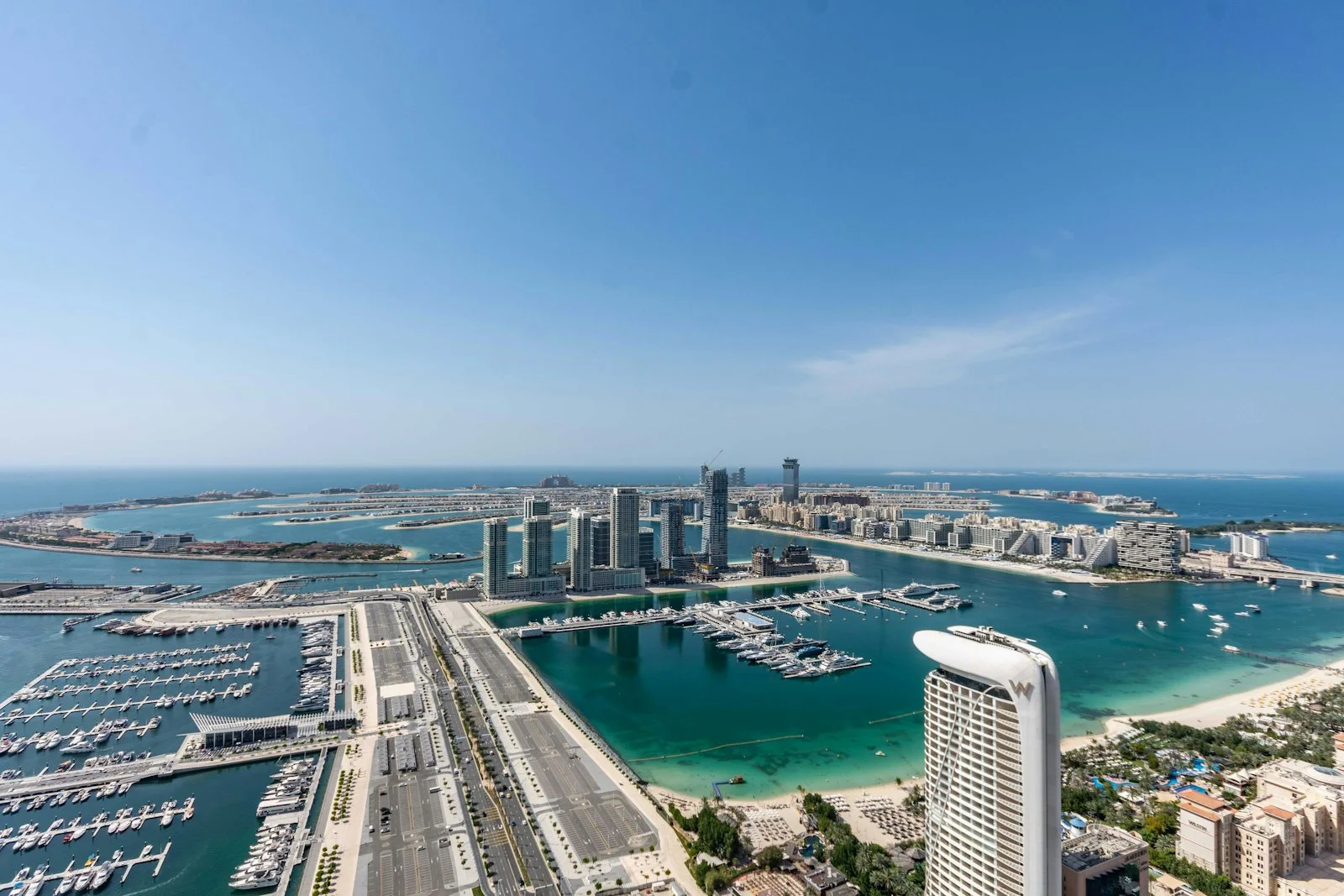
Dubai’s property sector is adapting rapidly in 2026, with a focus on sustainable construction, smart home features, and flexible co-living arrangements. Off-plan developments remain popular with UK buyers, offering staged payments and lower prices, but always research the developer’s track record. Infrastructure upgrades—such as new metro lines and green spaces—are boosting values in emerging districts. Meanwhile, government initiatives continue to attract foreign investment in Dubai properties, making the city a resilient choice for overseas portfolios.
Risks, Compliance, and Practical Dubai Property Investment Tips
Main Risks for UK Investors
While the prospects are attractive, investing in Dubai property from the UK guide readers must be realistic about risks. Currency fluctuations between the pound and dirham can impact returns and costs. The legal system differs from the UK, with shorter limitation periods and different dispute resolution mechanisms. Off-plan project delays, developer bankruptcies, and title registration issues can all impact outcomes. Resale liquidity may be lower than in the United Kingdom, especially for niche or luxury properties.
Compliance and Due Diligence
Robust due diligence is essential for UK citizens buying property in Dubai. Always verify the developer’s RERA registration, check past project delivery, and confirm the property’s legal status. Use only RERA-certified estate agents and independent solicitors for transactions. Double-check service charge schedules, building maintenance plans, and management company credentials. For those unfamiliar with the process, a step-by-step Dubai real estate investment guide—such as this one—can help avoid costly mistakes.
Practical Investment Tips
- Visit Dubai in person before committing funds; inspect properties and meet agents directly.
- Budget for all fees, service charges, and possible void periods between tenants.
- Consider currency hedging options to protect against pound/dirham swings.
- Review UK tax obligations on overseas rental income at gov.uk.
- Plan your exit strategy—resale timing, local demand, and market cycles.
Understanding these factors is crucial for anyone following an investing in Dubai property from the UK guide, ensuring your investment is both secure and profitable for years to come.
Frequently Asked Questions
Can UK citizens buy property in Dubai?
Yes, UK citizens can buy freehold property in designated areas of Dubai. There are no nationality restrictions in these districts, and the process is designed to be transparent for foreign buyers, provided all legal steps are followed.
What are the main costs for UK buyers in Dubai?
Major costs include the property price, Dubai Land Department fee (4%), agent commission (2%), legal fees, and annual service charges. There’s no stamp duty or capital gains tax, but UK tax may apply on overseas rental income.
Does buying property in Dubai grant residency?
Purchasing property above AED 2 million (approx. £430,000) can qualify you for a renewable long-term residency visa. This is subject to changing rules, so always consult up-to-date government advice before investing.
What are the main risks involved?
Risks include exchange rate fluctuations, differences in legal frameworks, potential off-plan delays, and liquidity issues. UK investors should conduct thorough due diligence and use independent legal advisors.
How do I choose the best area to invest?
Research current rental demand, property prices, future infrastructure, and developer reputation. Dubai Marina, Downtown Dubai, and Jumeirah Village Circle are top picks for UK investors in 2026 due to their high yields and strong expat appeal.
If you’re considering investing in Dubai property from the UK, this guide provides the impartial, actionable advice you need to navigate legal, financial, and practical challenges. For more in-depth resources on overseas investment, compliance, and UK tax, explore Fin-Tech UK’s comprehensive guides for small and medium-sized businesses and private investors.