Starting an Online Grocery Business UK: 2026 Step-by-Step Guide
16 October 2026

The way people shop for food in the United Kingdom has transformed—busy lives, changing habits, and a demand for convenience are driving more customers online every month. For would-be entrepreneurs, starting an online grocery business UK offers real opportunities, but also unique challenges. How do you navigate regulation, stand out from supermarkets, and build a loyal customer base in this competitive space?
Key Takeaways
- Register your UK online grocery business with HMRC and your local authority at least 28 days before trading.
- Strict food hygiene, allergen labelling, and ecommerce regulations for food businesses apply.
- Choose a delivery model—local, click-and-collect, or national courier—to match your target audience.
- Digital marketing and a seamless website are critical to attract customers to an online grocery store.
- Ongoing compliance, customer service, and adapting to grocery shopping trends in the UK are vital for long-term success.
The 2026 UK E-Grocery Market: Opportunities and Trends
Grocery Shopping Trends in the UK
The e-grocery market in the United Kingdom is forecast to exceed £30 billion in 2026, according to Statista, with more than 30% of UK households regularly shopping for groceries online. While Tesco, Sainsbury's, and Ocado remain influential, independent shops and startups are thriving by offering local, organic, and specialty products that big supermarkets overlook. Today's shoppers expect flexible delivery, transparent sourcing, and even carbon-neutral options. Niche grocery business ideas in the UK—like vegan food boxes, world foods, and refillable household goods—are finding loyal followings, especially in urban centres like London, Manchester, and Bristol.
Market Analysis: Competition and Gaps
Starting an e-commerce grocery store means understanding your competition. National chains dominate bulk and branded goods, but many consumers are turning to local grocery delivery services UK-wide for fresher produce, unique products, and a personal touch. Smaller online grocery businesses can also benefit from the growing interest in supporting local economies and reducing food miles. Analysing your area’s demographics and identifying gaps—such as halal, gluten-free, or farm-direct produce—can help you shape your offering and stand out.
Legal Requirements and Compliance for Online Grocery Businesses
Business Registration and Licences
Before you can sell a single apple, you must register as a food business with your local authority at least 28 days before trading (gov.uk/food-business-registration). Registration is free but mandatory, even if you operate from home. You must also notify HMRC for tax purposes and, if handling customer data, register with the ICO. Selling alcohol, tobacco, or medicines requires additional licences and strict adherence to age verification laws.
Food Safety, Hygiene, and Allergen Labelling
Food safety is paramount. Every food handler must complete at least a Level 2 Food Hygiene Certificate (£25–£60 per person), and your premises—whether a home kitchen or commercial warehouse—must meet Environmental Health standards. The Food Standards Agency (FSA) inspects businesses and enforces rules around storage, temperature control (especially for chilled/frozen items), and cleanliness. Allergen information must be displayed clearly on your website and packaging, meeting Natasha’s Law requirements. Failure to comply can result in fines or closure.
Ecommerce Regulations for Food Businesses
Setting up an online food business requires strict adherence to UK e-commerce rules. You must provide clear product descriptions, pricing (including VAT where applicable), delivery charges, and return policies. Under distance selling regulations, customers have the right to cancel most orders (exceptions apply to perishable goods). All websites must comply with GDPR and display a privacy policy. For payment processing, only use PCI DSS-compliant solutions to protect customer data.
| Requirement | Details | 2026 Estimated Cost |
|---|---|---|
| Food Business Registration | Register with Local Authority | Free |
| Food Hygiene Training | Level 2 Certificate (per person) | £25–£60 |
| Ecommerce Website & Hosting | Shopify, WooCommerce, or bespoke | £500–£8,000 (setup); £20–£100/month (ongoing) |
| Insurance | Product & Public Liability | £200–£700/year |
| Delivery Logistics | Fleet, packaging, courier contracts | £1,000–£7,500 (startup costs) |
Setting Up Your Online Grocery Store: Platforms, Logistics, and Delivery
Choosing a Platform and Building Your Store
Your website is your shopfront. For most UK online supermarket startups, platforms like Shopify or WooCommerce offer a balance of customisation, security, and cost. Bespoke platforms can be tailored for complex needs, but expect higher development costs. Your site should make it easy for shoppers to browse, filter, and pay for groceries, with mobile optimisation and accessibility for all users. Integrated inventory management, order tracking, and customer accounts are now standard expectations for best practices for online food retailing.
Logistics: Storage, Picking, and Packing
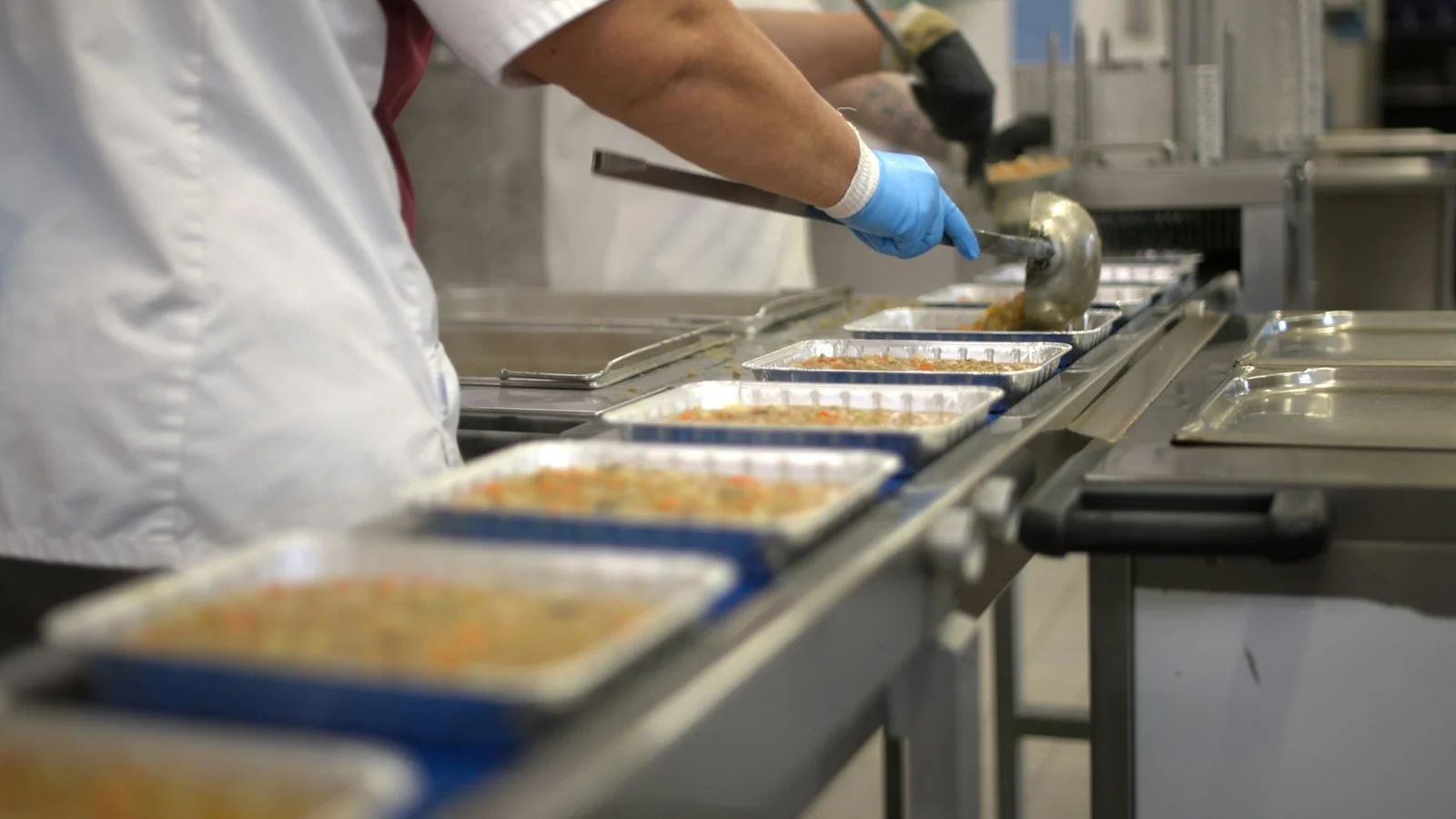
Whether you start from home or rent a small unit, storage must comply with food safety regulations—separate areas for chilled, frozen, and dry goods. Use digital stock management to avoid missed deliveries or substitutions. For picking and packing, efficiency is key: colour-coded crates, insulated packaging, and clear labelling cut mistakes and wasted time. Don’t underestimate the importance of reliable suppliers and backup plans for stock shortages.
Local Grocery Delivery Services UK: Models and Best Practices
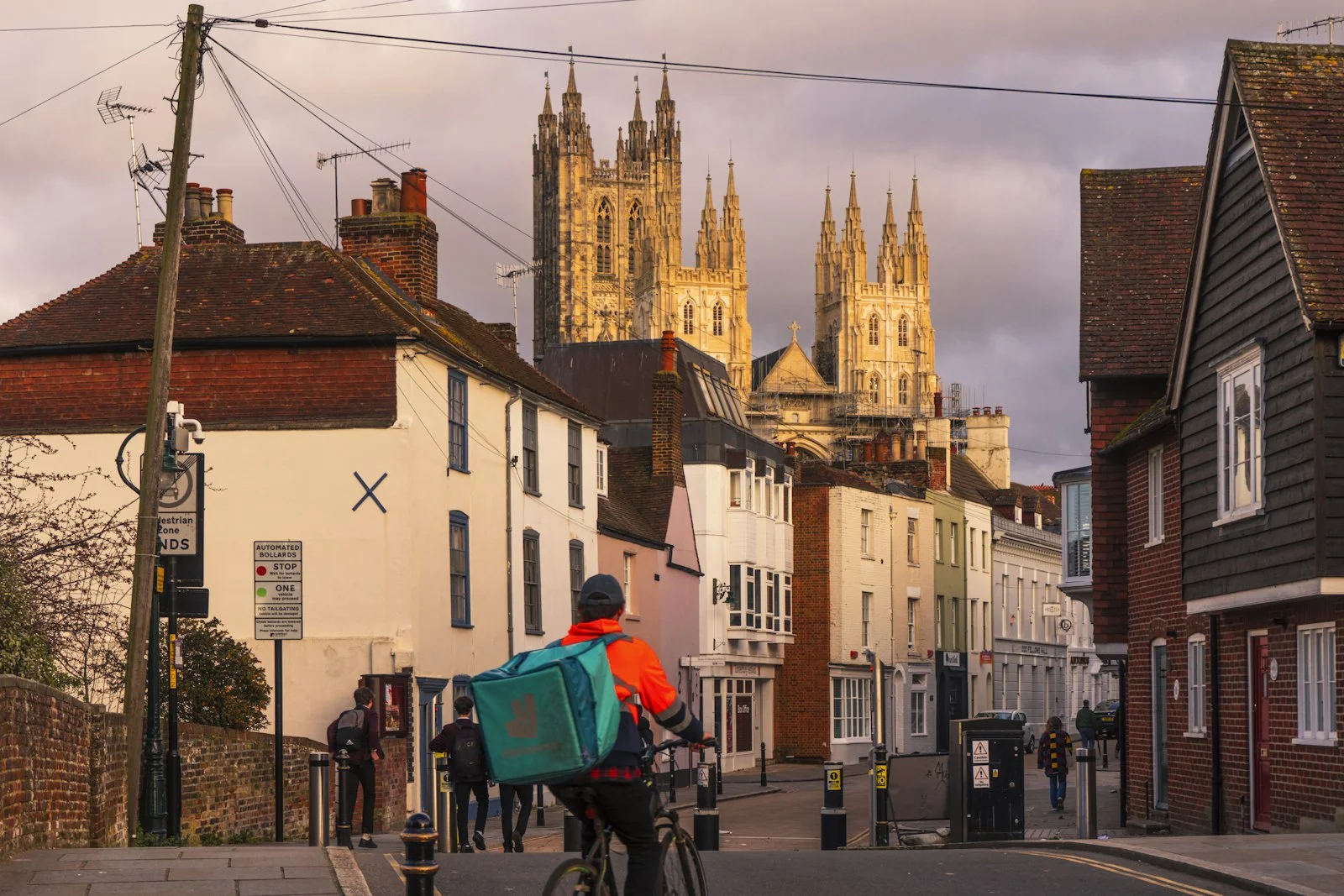
Most new businesses start with local delivery. Options include using your own vehicles, hiring local couriers, or partnering with established last-mile services. Electric vans and bikes are increasingly popular in cities for sustainability and low emissions. For nationwide delivery of ambient or non-perishable goods, major couriers like DPD and Royal Mail offer business contracts with tracking. Always factor in UK wage rates—delivery staff typically earn £11–£15/hour—and the cost of quality packaging (£0.50–£2 per order).
How to Launch and Grow a Successful Online Grocery Business UK
How to Attract Customers to an Online Grocery Store
Building a customer base is as vital as logistics. Use social media, Google Local, and targeted ads to reach your community. Partnering with local producers, schools, or charities can raise your profile. Consider offering a first-order discount, loyalty scheme, or free delivery on large orders to encourage sign-ups. Above all, provide clear, honest communication about your products, delivery times, and any delays.
Marketing, Branding, and Retention
Your brand story matters—why did you start, what makes your service unique, and how do you support your local community? Regular email newsletters, blog posts (for SEO and engagement), and features on local news sites help keep your name front-of-mind. Encourage customer reviews on platforms like Trustpilot and Google, and respond promptly to feedback. Transparency about sourcing, eco-friendly packaging, and food miles can win over the growing segment of eco-conscious shoppers in the United Kingdom.
Best Practices for Online Food Retailing
Success depends on consistency and adaptability. Update your website often with new products, recipe ideas, and seasonal offers. Maintain accurate stock levels and clear pricing—shoppers quickly abandon unreliable sites. Offer flexible delivery windows and real-time tracking, especially for perishables. Responsive customer service—via live chat, WhatsApp, or telephone—sets you apart from national chains. Consider integrating a blog or advice section to answer common questions and build trust with new customers.
Managing Risk and Ensuring Compliance
Food Safety, Recalls, and Complaints
Have robust processes in place for food safety: regular staff training, strict cleaning rotas, and batch tracking for all products. In the event of a recall, follow FSA guidance and inform affected customers immediately. Keep detailed records of suppliers, batch numbers, and expiry dates to streamline recall processes. Registering for product liability insurance is highly recommended.
Staying Up to Date with Ecommerce and Trading Standards
Laws and best practices change frequently—subscribe to updates from the Food Standards Agency, Trading Standards, and Which? to remain compliant. Always display terms and conditions, returns policies, and allergen information clearly. GDPR compliance is non-negotiable; mishandling customer data can result in fines and reputational damage. Regularly review your processes and policies to stay ahead of regulatory changes and customer expectations.
Frequently Asked Questions
What are the basic steps for starting an online grocery business UK?
Register with your local authority and HMRC, complete food hygiene training, choose an e-commerce platform, and set up logistics for delivery. Ensure your website meets all legal requirements and is easy to use for customers across the United Kingdom.
How much does it cost to start an online grocery business in the UK?
Typical startup costs range from £3,000 to £15,000, covering website, initial stock, packaging, insurance, and basic marketing. Costs vary based on your delivery area, product range, and delivery model. Ongoing expenses include staff wages, courier fees, and digital advertising.
What insurance do I need for an online grocery business UK?
At minimum, you’ll need product liability and public liability insurance. If you employ staff, employer’s liability insurance is required by law. Some businesses also take out stock and vehicle insurance for added protection.
Can I sell groceries online from home in the UK?
Yes, many small businesses start from home, but your kitchen or storage must pass Environmental Health inspections and comply with all food safety rules. You must register your home as a food business and follow strict hygiene procedures.
Do I need to register with the ICO for data protection?
If you collect or store customer data (names, addresses, payment details), you must register with the Information Commissioner’s Office and pay the data protection fee. This is essential for every UK online business, large or small.
Starting an online grocery business UK in 2026 is both rewarding and challenging, with real potential for growth. Stay on top of compliance, focus on customer service, and keep learning from trusted resources. For impartial guidance, regulatory updates, and detailed business advice, Fin-Tech UK is your go-to publication for small and medium-sized businesses across the United Kingdom.